8 Budget Dinner Mistakes That Are Quietly Costing You More Than You Think
Quick Answer: Several common ‘budget dinner’ habits — buying pre-cut ingredients, cooking single-serving portions every night, and skipping a weekly plan — actually cost more over a month than the slightly more effort-intensive alternatives, because convenience pricing and food waste quietly add up.
You’re already trying to eat cheaply on weeknights, so it’s frustrating to realize some of your go-to money-saving habits might be working against you.

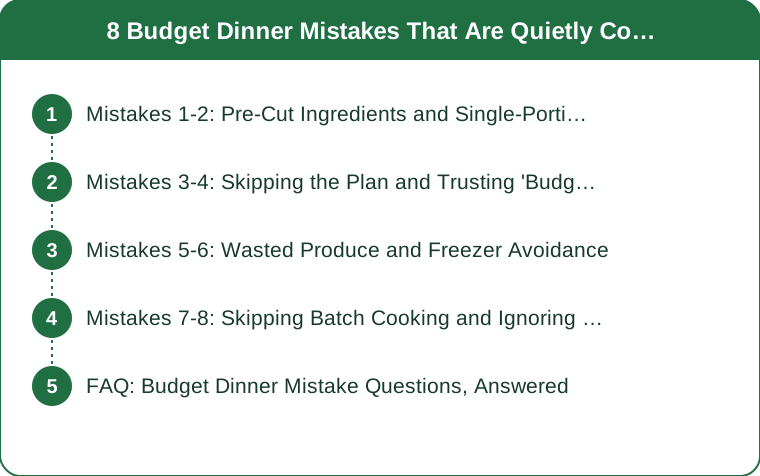
Mistakes 1-2: Pre-Cut Ingredients and Single-Portion Cooking
Mistake 1: Buying Pre-Cut and Pre-Portioned Ingredients. Pre-chopped vegetables, pre-portioned proteins, and pre-made sauce packets carry a real convenience markup, often 30-50% more than buying whole ingredients and prepping them yourself — the time savings can be worth it occasionally, but as a nightly default it adds up fast.
Mistake 2: Cooking a Fresh Single Portion Every Night. Cooking from scratch for just one serving means you rarely benefit from bulk pricing, and small-batch grocery buying (a single chicken breast instead of a family pack) tends to cost more per unit than buying larger quantities and portioning leftovers.
Mistakes 3-4: Skipping the Plan and Trusting ‘Budget’ Labels
Mistake 3: Skipping a Weekly Plan Entirely. Without a rough plan, budget grocery trips tend to produce ingredients that don’t fully combine into complete meals, leading to extra last-minute purchases mid-week that undercut the original budget grocery trip’s savings.
Mistake 4: Over-Relying on Ultra-Processed ‘Budget’ Staples. Some heavily processed budget staples (certain frozen meals, packaged sides) cost more per actual nutritional serving than whole-food basics like rice, beans, and frozen vegetables, even though the sticker price looks lower.

Mistakes 5-6: Wasted Produce and Freezer Avoidance
Mistake 5: Letting Fresh Produce Go to Waste. Buying fresh vegetables with good intentions but not a specific meal plan for them is one of the biggest hidden costs in a budget grocery routine — unused, wasted produce is money spent with zero return.
Mistake 6: Avoiding the Freezer as a Budget Tool. Skipping frozen vegetables and fruit in favor of fresh, out of a sense that frozen is ‘lesser,’ often costs more and increases waste, since frozen produce keeps far longer and is frequently cheaper per serving with comparable nutrition.
Mistakes 7-8: Skipping Batch Cooking and Ignoring Unit Prices
Mistake 7: Not Batch Cooking Once a Week. Cooking a full dinner from scratch every single night takes more total ingredients (and often more waste) than batch-cooking a base recipe once and repurposing it across two or three meals during the week.
Mistake 8: Ignoring Price-Per-Unit Labels. The larger package isn’t always cheaper per unit — checking the price-per-ounce or price-per-serving label rather than just the total price catches cases where a smaller package is actually the better deal.
FAQ: Budget Dinner Mistake Questions, Answered
Is meal prepping actually cheaper than cooking fresh every night?
Generally yes, for the reasons above — bulk buying and batch cooking usually beat nightly small-batch cooking on a per-meal cost basis.
Are frozen vegetables really as nutritious as fresh ones?
In most cases yes — frozen produce is typically flash-frozen at peak ripeness, preserving nutrients comparably to fresh, sometimes even better than fresh produce that’s sat in transit or storage for days.
How much can fixing these habits realistically save per month?
It varies by household, but reducing food waste and convenience-item purchases alone commonly saves budget-conscious households a meaningful percentage of their monthly grocery spend.
TL;DR:
- Pre-cut convenience items and nightly single-portion cooking both carry hidden cost premiums
- A rough weekly plan prevents costly last-minute mid-week purchases
- Frozen produce is a legitimate, often cheaper, budget tool — not a lesser option
- Batch cooking once and price-per-unit label checks are two of the easiest fixes
Most of these mistakes come from optimizing for effort instead of total cost — a little more planning upfront usually pays for itself within the same week.
Keep Reading
This article is for general informational purposes only and is not medical advice. Always consult a qualified health professional for guidance specific to you.