7 Lunchbox Swaps That Cut the Back-to-School Food Bill
Quick Answer: Individually portioned lunchbox food carries an enormous packaging premium - single-serve yoghurts, snack packs, and pre-cut fruit typically cost two to four times the same food bought in bulk. Seven swaps below, all of which take under five minutes a day to implement, and together they commonly cut a packed lunch budget by a third or more. The single biggest one is buying the large container and portioning it yourself.
You did one back-to-school shop and the total was startling for what is, in the end, five sandwiches and some fruit.
Most of what you paid for was packaging and portioning, and both are things you can do at home in about four minutes.
Swap 1: Big tub instead of single-serve pots
The highest-value swap on this list by a comfortable margin.
Single-serve yoghurt pots, hummus cups, and snack-size portions typically cost between two and four times as much per hundred grams as the large container of the identical product. It is the same yoghurt. You are buying the pot.
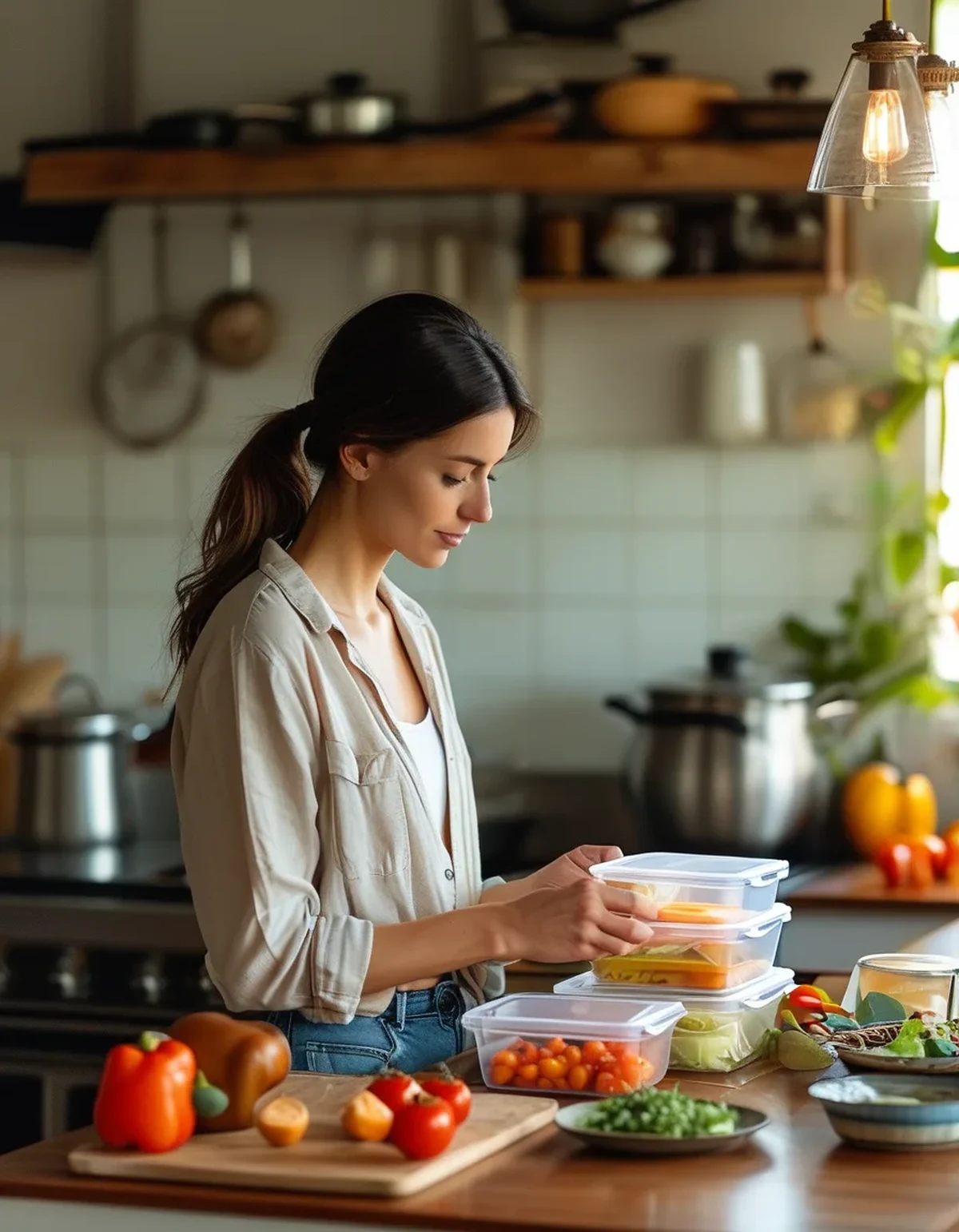
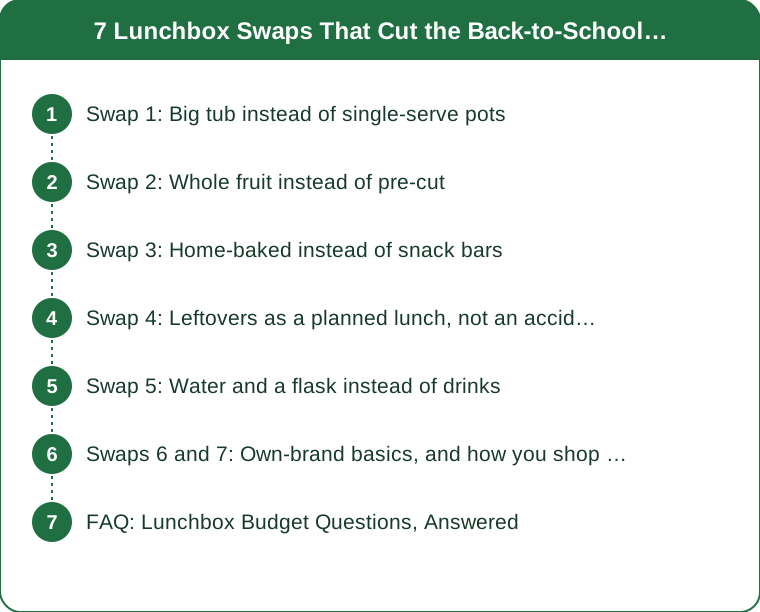
The replacement takes about three minutes on a Sunday: a large tub, a set of small reusable containers, and one portioning session for the week.
Where this applies most strongly:
- Yoghurt - usually the largest single saving
- Hummus and dips
- Apple sauce and fruit pots
- Cottage cheese
- Nuts and dried fruit
The reusable containers pay for themselves within the first few weeks, and they eliminate a substantial amount of daily packaging waste as a side effect.
The honest caveat: it does require the Sunday session to actually happen. If it does not, you are buying large tubs and still buying single-serve pots, which is worse than either option alone.
Swap 2: Whole fruit instead of pre-cut
Pre-cut fruit is convenience priced, and it is one of the steepest markups in the shop - frequently double or more per kilogram, with a shorter shelf life on top.
The practical version is not simply buying whole fruit and hoping. It is cutting it at the same time as the yoghurt portioning, and using a squeeze of lemon juice on apple or pear slices to slow browning.
Fruit that needs no preparation at all is even better value: apples, bananas, satsumas, grapes, plums. Late summer is peak season for plums, grapes, and pears, and seasonal fruit is both cheaper and better right now.
A related saving: frozen fruit for smoothies and yoghurt is dramatically cheaper than fresh out of season and nutritionally comparable, since it is frozen close to harvest.
One small thing that saves more money than it should: check whether the pre-cut option is priced per item or per weight. Supermarkets frequently place them side by side with different units, which makes the comparison harder than it looks.
Swap 3: Home-baked instead of snack bars
Cereal bars, flapjacks, and snack bars are among the most heavily marked-up items in the shop, and they are also the simplest things to make.
A tray of flapjacks or oat bars takes about twenty-five minutes including baking, produces twelve to sixteen portions, and costs a fraction of a box of six. Oats, butter or oil, and a sweetener are the whole ingredient list.
They also freeze well, which is what makes this practical: one baking session every three weeks, portioned and frozen, and a bar taken out in the morning is defrosted by lunch.
Where the saving is largest: anything marketed as a health or protein bar. The premium on those is substantial and the ingredients are usually oats, dates, and nuts.
If baking is not going to happen, the fallback is still better than snack bars - a large bag of popcorn kernels, plain nuts, or a large box of crackers portioned at home. The principle is the same: buy the ingredient, not the portion.
Swap 4: Leftovers as a planned lunch, not an accident
The saving here is not on lunch, it is on the food you currently throw away.
Cooking an extra portion at dinner costs the marginal ingredient price - typically a small amount - and it replaces an entire purchased lunch. Over a school week that is a meaningful line in the budget.
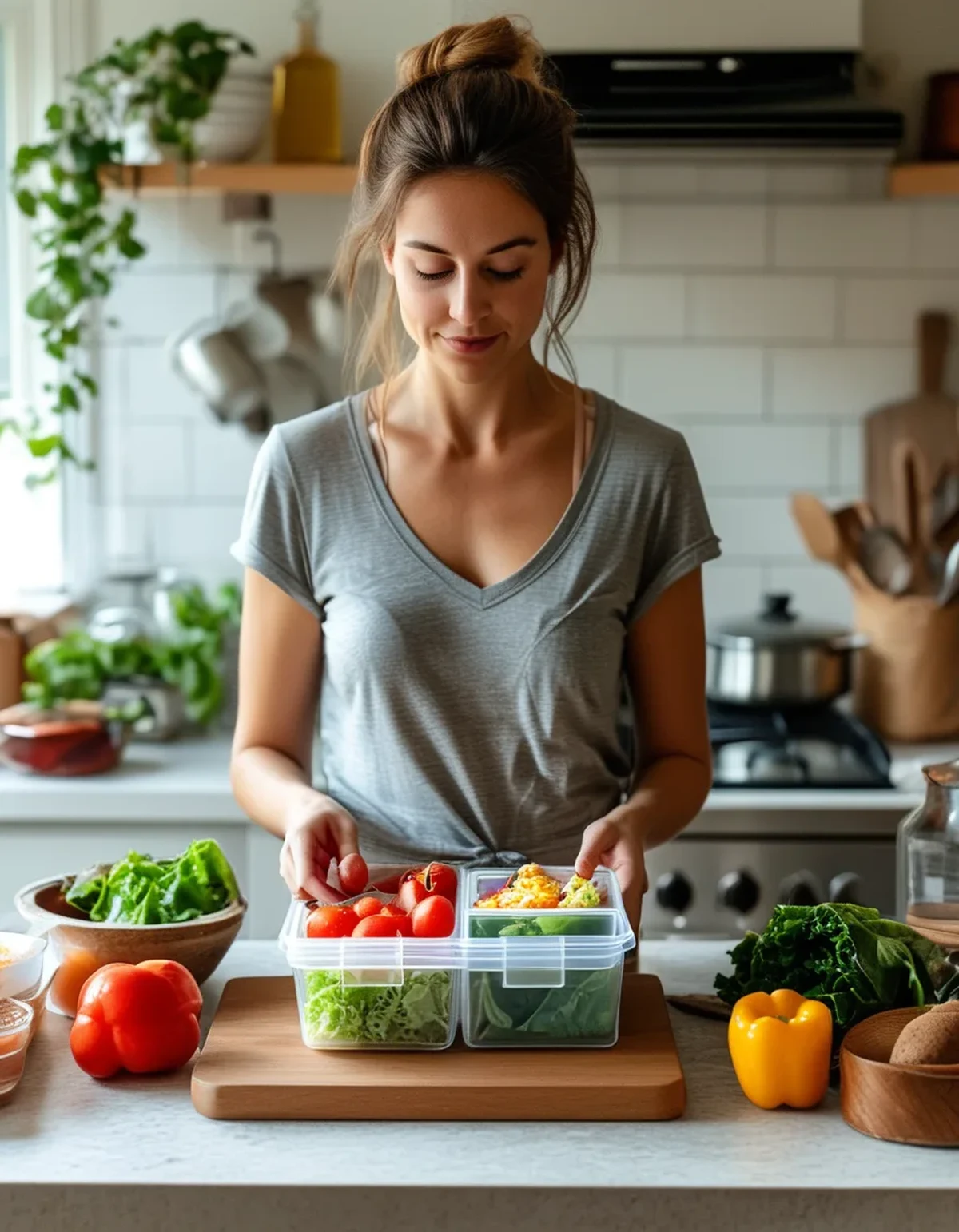
The planning version that works: choose two dinners a week that are deliberately scaled up by one or two portions, and pack them straight into lunch containers while you are serving. Not after washing up, when it will not happen.
Dishes that hold well overnight: pasta with a robust sauce, rice dishes, chilli, roasted vegetables, frittata, and anything soup-based. Dishes that do not: anything with a dressed salad, anything crispy.
A related habit that saves as much again: a leftovers night once a week, where dinner is whatever needs using. It reduces both the shop and the waste, and household food waste is where a surprising amount of a grocery budget quietly goes.
Swap 5: Water and a flask instead of drinks
Individually packaged drinks - juice cartons, sports drinks, smoothie bottles - are among the highest-margin items in the entire shop.
A reusable bottle with water is free after the first purchase. If plain water is a hard sell, a squeeze of squash from a large bottle, or fruit slices in the water, costs pennies per day.
A flask is the same argument for anything warm. A soup in a flask is both a cheaper lunch and a warmer one as the mornings cool, and it uses last night’s leftovers.
The maths is worth doing once. A single carton per school day, over a term, is a genuinely surprising number, and it is the item most likely to be bought without any comparison shopping at all because each individual unit feels trivial.
One practical note for the switch: the reusable bottle has to be one the child will actually use and can open independently. A bottle that stays in the bag unopened saves money and does not solve the hydration problem.
Swaps 6 and 7: Own-brand basics, and how you shop the aisle
Swap 6: Own-brand for the invisible items
Store brand versus name brand is well-trodden ground, but the specific application to lunchboxes is worth spelling out, because the difference in acceptance depends entirely on visibility.
Items where own-brand is almost never noticed: bread, cheese, yoghurt used in a home-portioned pot, pasta, rice, tinned goods, oats, frozen vegetables, plain nuts, and anything that gets decanted at home.
Items where brand sometimes matters: biscuits, crisps, and anything that goes into the box in its original wrapper, where a child may notice or be self-conscious.
The strategy that works: switch everything in the first category, which is most of the shop by weight and by cost, and keep one branded item that matters. Trying to switch everything at once is how the whole plan gets rejected in week one.
Many own-brand and premium-brand products are also made in the same facilities, which is worth knowing when the price gap is thirty percent or more on a staple item.
Swap 7: Buy the awkward sizes and shop the reduced shelf
Two shopping-floor habits that require no preparation at home.
Check the unit price, not the shelf price. Supermarkets place the price per hundred grams or per kilogram in small print, and it frequently reveals that the medium size is better value than the large - the assumption that bigger is always cheaper is wrong often enough to be worth checking every time.
Use the reduced section deliberately, not opportunistically. Bread, cheese, cooked meats, and yoghurt are all reduced daily near the end of trading, and all of them freeze. A loaf bought reduced and frozen is identical to a full-price loaf on the day you defrost it.
A related habit: bread and wraps freeze extremely well and defrost in a lunchbox by midday. Buying two loaves when they are reduced and freezing one is the single easiest freezer saving available.
One caution about bulk buying generally: it only saves money if the food is used. A large bag of something nobody eats is not a saving, and the most common bulk-buying mistake is buying the large size of something you have not yet established a habit of using.
FAQ: Lunchbox Budget Questions, Answered
How much can these actually save?
It depends on the starting point, but households moving from mostly single-serve packaged items to mostly home-portioned ones commonly cut the lunch portion of the shop by a third or more. The yoghurt and drinks swaps alone usually account for a large share of it.
How long does the Sunday prep actually take?
About twenty minutes for a week of portioning, if the containers are ready and it happens in one session. It takes considerably longer if done in five separate two-minute bursts across the week, which is why the single session matters.
What if my child refuses the change?
Change one thing at a time rather than the whole box at once, and keep one branded item they care about. The swaps that are invisible - decanted yoghurt, own-brand bread, home-cut fruit - are usually accepted without comment.
Are reusable containers worth the upfront cost?
A set of small containers typically pays for itself within a few weeks on the yoghurt swap alone, and lasts years. It is one of the few upfront purchases in budgeting that reliably returns.
TL;DR:
- Single-serve packaging is the main cost driver - the same food in a large tub is often a third of the price.
- Portion yoghurt, hummus, and snacks yourself in one twenty-minute Sunday session.
- Whole or home-cut fruit instead of pre-cut, and seasonal picks - plums, grapes, pears - are cheapest right now.
- Bake and freeze oat bars. Twenty-five minutes gives twelve to sixteen portions.
- Cook two extra dinner portions a week and pack them while serving, not after washing up.
- Reusable bottle and flask replace the highest-margin items in the entire shop.
- Check the unit price every time - bigger is not reliably cheaper.
The common thread is the same in all seven: you are usually paying for portioning and packaging, and both take about four minutes a day to do yourself.
Keep Reading
This article is for general informational purposes only and is not medical advice. Always consult a qualified health professional for guidance specific to you.