The Frozen Vegetable Aisle Deserves Way More Credit Than It Gets
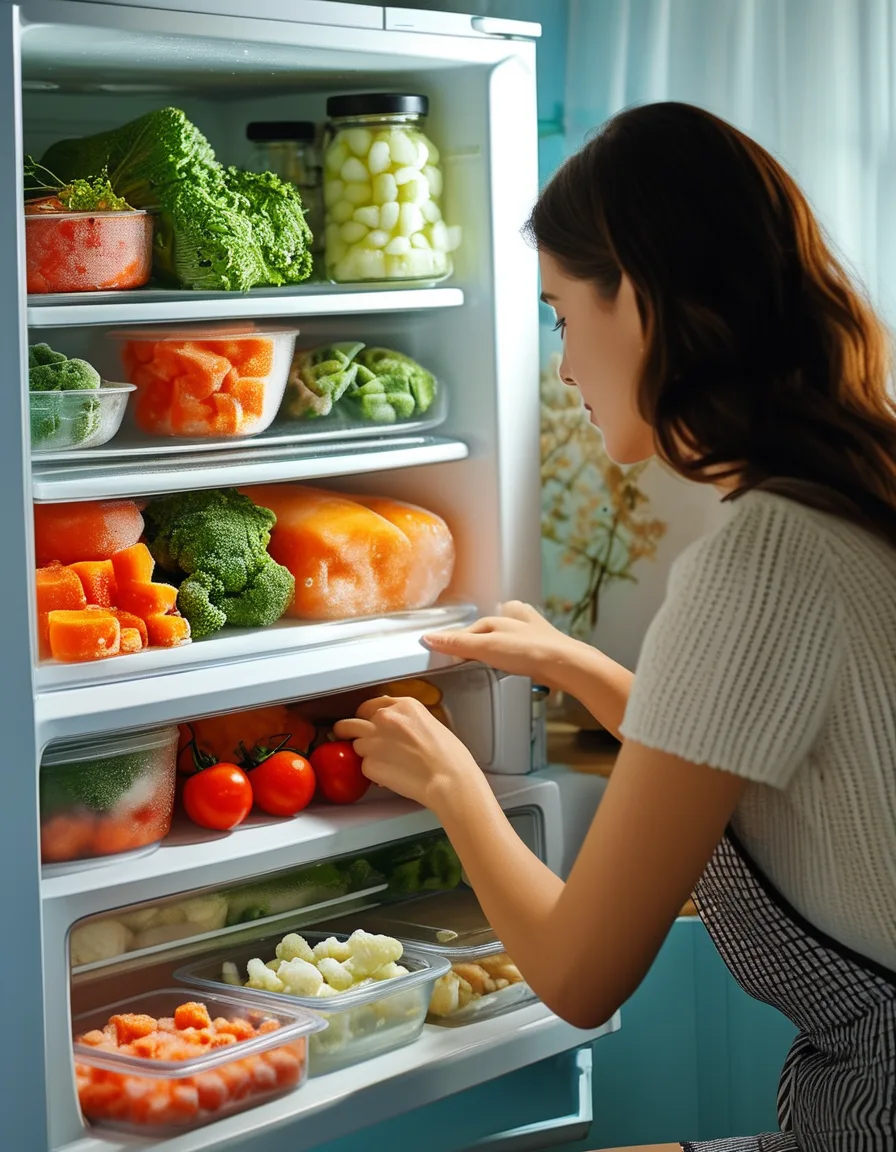
Fresh produce carries an assumed nutritional edge over frozen that doesn’t actually hold up consistently, and on a tight grocery budget, frozen vegetables often win outright on cost and waste reduction without giving up much of anything nutritionally.
The Nutrition Comparison, Honestly
The actual research: the the-flash-freezing-nutrient-lock (most frozen vegetables being flash-frozen within hours of harvest, locking in nutrient levels at a point fresher than produce that spends days in transit and store display before reaching a cart), the the-vitamin-c-degradation-in-fresh-produce (certain nutrients like vitamin C degrading measurably in fresh produce over the days between harvest and consumption, a decline frozen vegetables largely avoid), the the-minimal-difference-in-most-nutrients (the overall nutritional difference between frozen and fresh being minimal or negligible for most vegetables and most nutrients, despite the strong cultural assumption that fresh is automatically superior)).
Where Frozen Actually Wins on Cost
The savings breakdown: the the-price-per-pound-comparison (frozen vegetables typically costing noticeably less per pound than their fresh counterparts, especially for items like peas, corn, and mixed vegetable blends), the the-no-seasonal-price-spike-exposure (frozen vegetable pricing staying relatively stable year-round, while fresh produce prices can spike significantly during off-season months for a given vegetable), the the-bulk-buying-without-spoilage-risk (frozen vegetables allowing genuine bulk buying during a sale without the spoilage risk that bulk fresh produce carries)).

The Food Waste Angle That Rarely Gets Mentioned
The waste reduction: the the-use-only-what-you-need-portioning (frozen vegetables allowing a small portion to be used from a bag while the rest stays fully preserved, unlike fresh produce that starts declining the moment it’s cut or opened), the the-fresh-produce-spoilage-before-use (a meaningful percentage of fresh produce bought with good intentions going unused and spoiling before it gets cooked, a cost that rarely gets factored into the fresh-versus-frozen comparison), the the-extended-freezer-shelf-life (frozen vegetables lasting many months in the freezer without quality loss, compared to a window of days for most fresh vegetables)).
When Fresh Actually Makes More Sense
The exceptions: the the-texture-dependent-dishes (dishes where raw or crisp texture matters directly, like a salad or a fresh slaw, generally calling for fresh produce since frozen vegetables lose some textural crispness after thawing), the the-in-season-local-produce-value (buying fresh produce that’s genuinely in season and locally grown often matching or beating frozen on both price and flavor during that specific window), the the-immediate-single-meal-use (buying a small amount of fresh produce intended for immediate same-day use avoiding the storage and spoilage concerns that make frozen the safer default for less immediate needs), and the frame (frozen vegetables hold their nutrition well, cost less per pound on average, and eliminate most food waste risk, making them the more budget-reliable default for most cooking — fresh is worth prioritizing specifically for raw-texture dishes and genuinely in-season, immediate-use produce.)
The assumption that fresh produce is nutritionally superior to frozen doesn’t hold up consistently, since most frozen vegetables get flash-frozen within hours of harvest, locking in nutrient levels at a point actually fresher than produce that spends days in transit and store display before it’s ever cooked, and the overall nutritional gap between the two turns out to be minimal for most vegetables and most nutrients. On a tight grocery budget, frozen also tends to win on plain cost, running noticeably cheaper per pound for staples like peas, corn, and mixed vegetable blends, with pricing that stays stable year-round instead of spiking during a given vegetable’s off-season the way fresh produce prices do. The food waste angle matters just as much as sticker price: a portion can be scooped from a frozen bag while the rest stays fully preserved for months, while fresh produce starts declining the moment it’s cut or opened, and a real share of fresh produce bought with good intentions ends up spoiling unused before it’s ever cooked, a cost that rarely factors into the comparison. Fresh still earns its place for dishes where raw, crisp texture actually matters, like a salad, and for genuinely in-season, locally grown produce bought for immediate use, but for most everyday cooking on a budget, frozen is the more reliable default rather than a compromise.
Keep Reading
This article is for general informational purposes only and is not medical advice. Always consult a qualified health professional for guidance specific to you.