7 Grocery Habits Quietly Doubling Your Weekly Food Bill
Quick Answer: Most grocery bill creep comes from small, repeated habits — shopping hungry, buying pre-cut produce, and skipping the unit price — not from one big splurge. Fixing even 3 of the 7 below typically cuts a weekly bill by 15-20%.
You didn’t buy anything crazy this week. No steak, no fancy cheese. And yet the total at checkout was $40 higher than it felt like it should be. That gap almost never comes from one purchase — it comes from a handful of habits that each cost a little and add up to a lot.

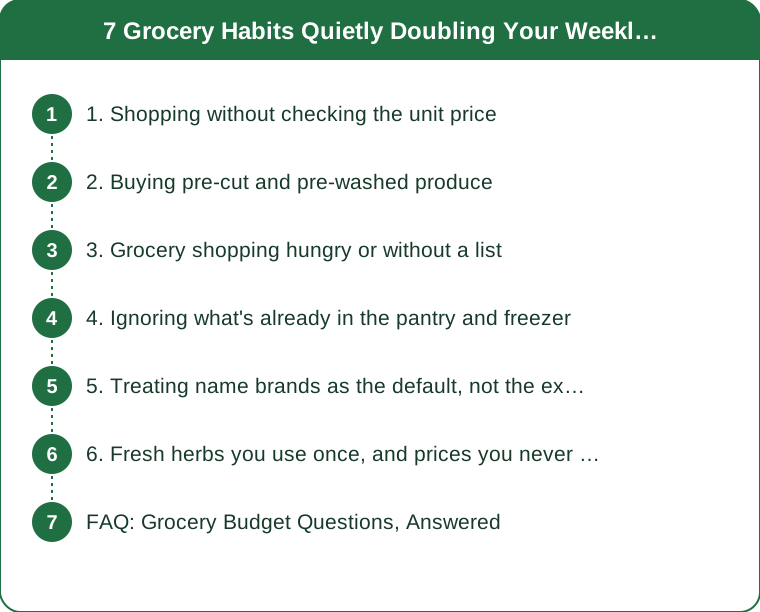
1. Shopping without checking the unit price
The sticker price on two sizes of the same product can be misleading — the bigger box is sometimes more per ounce, not less, especially on sale weeks. Most stores print unit price in tiny text on the shelf tag, usually the price per ounce or per 100g.
Fix: compare unit price, not package price, every time you’re choosing between sizes or brands. It takes about 5 seconds once you know where to look, and it routinely flips which option is actually cheaper.
2. Buying pre-cut and pre-washed produce
Pre-cut fruit, washed salad mix, and pre-diced vegetables can run 60-100% more than the whole version for a few minutes of prep time saved.
This one is a fair trade on your busiest weeks — just don’t let it become the default. Batch-chopping a week’s vegetables in one 15-minute session on Sunday gets you the same convenience without the markup.
3. Grocery shopping hungry or without a list
Hunger doesn’t just make you buy snacks — it makes everything look like a good idea, including impulse buys that don’t fit any meal you’re actually planning. Studies on shopping behavior consistently show hungry shoppers spend more per trip.
Fix: eat something small before you go, and shop from a list built around meals you’ve already decided on. Unlisted items should be the exception, not half the cart.

4. Ignoring what’s already in the pantry and freezer
It’s easy to forget the pasta, canned beans, and frozen chicken already at home and buy a fresh version of dinner ingredients instead. That’s double-buying, and it’s one of the most invisible leaks in a food budget.
Fix: a 60-second pantry and freezer check before you shop — just open the doors and look — often finds 2-3 meals hiding in plain sight.
5. Treating name brands as the default, not the exception
Store brands are frequently made in the same factories as name brands, especially for pantry staples like canned tomatoes, flour, and frozen vegetables. The name-brand markup is paying for packaging and advertising, not always better ingredients.
Fix: try the store brand on 3 staples you buy weekly. If you can’t tell the difference blind, that’s a permanent switch worth 10-30% savings on those items forever.
6. Fresh herbs you use once, and prices you never track
6. Buying fresh herbs and spices you’ll use once
A $3 bunch of fresh basil for one recipe that then rots in the crisper drawer is a quiet, recurring loss — it happens almost every week in a lot of kitchens without anyone noticing the pattern.
Fix: freeze extra fresh herbs in oil in an ice cube tray, or default to dried for recipes where fresh isn’t the star flavor. Save fresh-only purchases for dishes where it actually matters.
7. Not tracking price patterns on your regular items
Prices on staples fluctuate more than people expect, and without tracking, it’s impossible to tell a normal price from a good one. What Nobody Tells You: the ‘sale’ price at one store is sometimes still higher than the everyday price at another.
Fix: keep a simple note of what you normally pay for your 10 most-bought items. When something is genuinely below that number, that’s when to stock up — not just when a yellow tag says ‘sale.’
FAQ: Grocery Budget Questions, Answered
Is buying in bulk always cheaper?
No — only if you’ll actually use it before it spoils or goes stale. Bulk perishables that end up thrown out erase the savings entirely; bulk shelf-stable staples are usually a safer bet.
Does meal planning really save money if I’m short on time?
Yes, even a rough plan — just knowing 5 dinners for the week — cuts impulse buys dramatically, because you’re shopping against a list instead of guessing in the aisle.
Are grocery delivery fees worth it for budget shoppers?
Usually not if you’re trying to cut costs — delivery fees and tips often erase 5-10% savings from careful shopping, plus delivery apps make impulse add-ons easier, not harder.
TL;DR:
- Compare unit price, not package price — bigger isn’t always cheaper
- Check your pantry and freezer before shopping to avoid double-buying
- Try store brand on 3 staples; if you can’t tell the difference, switch for good
- Track what you normally pay on your top 10 items so you recognize a real sale
Pick 2 of these 7 to start with this week — small habit changes compound faster than one big budget overhaul.
Keep Reading
This article is for general informational purposes only and is not medical advice. Always consult a qualified health professional for guidance specific to you.