7 Ways the Autumn Shop Actually Gets Cheaper
Quick Answer: Autumn is one of the cheapest cooking seasons of the year if you follow what is actually in season - root vegetables, squash, brassicas, apples, and pears are at their lowest price and best quality. Add batch cooking, a shift toward slow methods that work with cheap cuts, and a deliberate reduction in food waste, and a typical weekly shop drops noticeably without eating any worse.
The cheapest thing in the shop in October is exactly the thing that tastes best in October, which is not true at every point in the year.
1. Buy what is actually in season right now
Seasonal produce is cheaper because supply is high and transport distances are short.
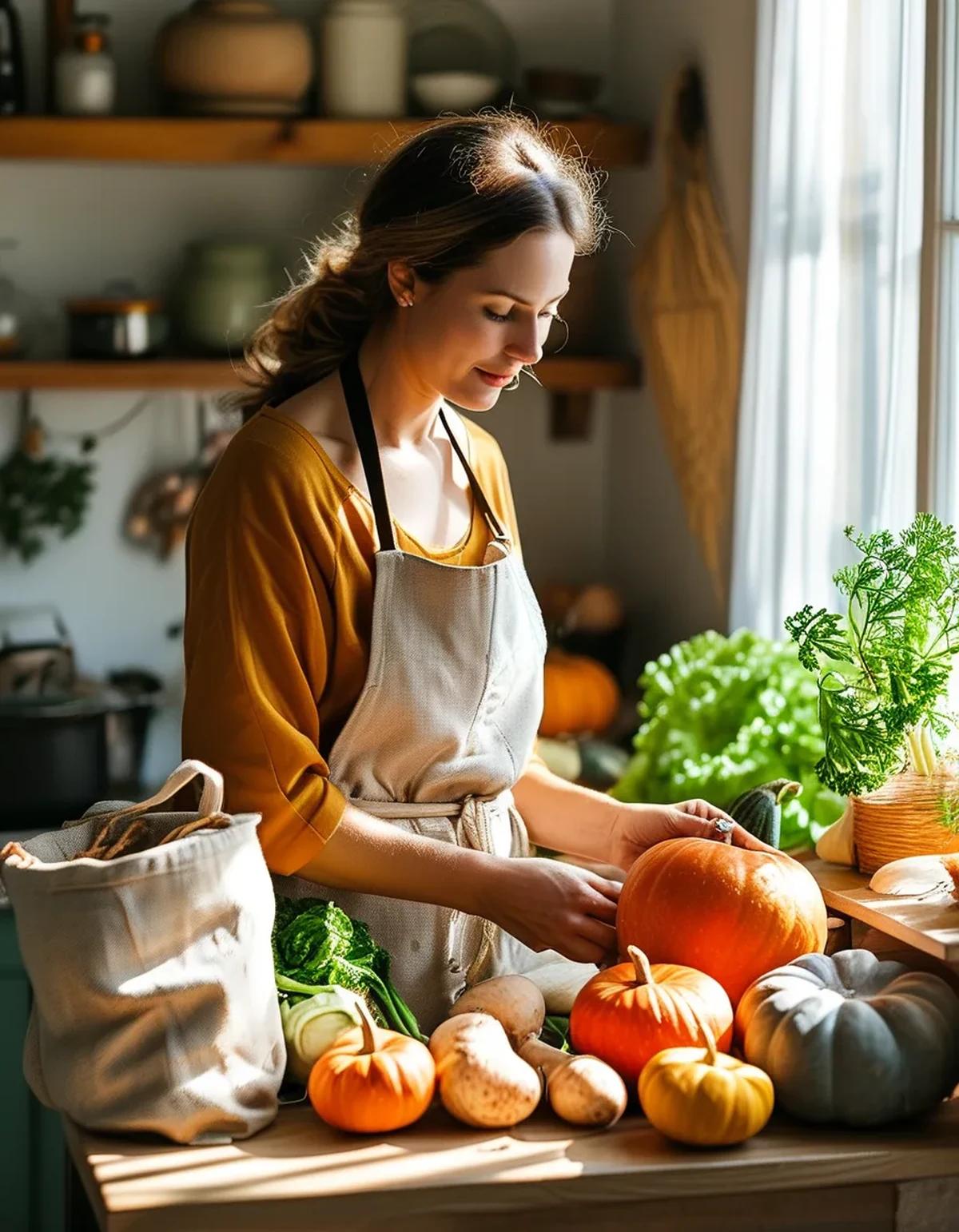
At their best and cheapest through autumn: squash and pumpkin, carrots, parsnips, swede, beetroot, leeks, cabbage, kale, Brussels sprouts, cauliflower, apples, pears, plums, and mushrooms.
These are also the vegetables that store well, which means you can buy larger quantities without waste. A squash keeps for weeks in a cool cupboard; root vegetables keep for a fortnight or more.
The price difference is real. Out-of-season produce carries the cost of long-distance transport or heated growing. Buying a bag of carrots and a squash rather than out-of-season berries and salad leaves changes the bill meaningfully, and the seasonal option is fresher besides.
2. Switch to slow cooking methods
The cooking method determines which cuts of meat you can use, and slow methods unlock the cheap ones.
Cheap cuts - shin, brisket, shoulder, thigh, neck - are cheap because they need time, not because they are lower quality. Given two or three hours at low heat, they produce better results than expensive quick-cooking cuts.
A slow cooker or a low oven turns the cheapest section of the meat counter into the best meals of the week. Chicken thighs cost substantially less than breasts and are more forgiving besides.
Pulses do the same job for less. Dried lentils, beans, and chickpeas are among the cheapest protein sources available, and they suit exactly the slow, warming cooking that autumn calls for. Half meat, half pulses in a stew cuts the cost significantly with little difference in the result.
3. Batch cook and use the oven properly
An oven heated for one dish is an oven wasted, and it costs the same to run whether it is full or empty.
Cook two or three things at once. A tray of roasted vegetables alongside whatever else is in there costs nothing extra in energy and produces the base of several meals.
Batch cooking cuts both money and decisions. A large pot of soup, stew, or ragu on Sunday is four or five meals that require no further cooking, which is what prevents the expensive midweek takeaway.
Energy costs matter more in the cold months. A slow cooker uses considerably less electricity than a full-size oven running for hours, and a microwave uses less again for reheating. Matching the appliance to the task is a genuine saving over a winter.

4. Cut waste before you cut spending
Most households throw away a meaningful proportion of the food they buy, and reducing that is a bigger lever than switching brands.
The main causes are predictable: buying more fresh produce than gets used, forgetting what is in the fridge, and cooking portions that are too large.
What works:
- Shop the fridge first, then write the list
- Keep a shelf for things that need using, at eye level
- Freeze leftovers in single portions on the day, not three days later
- Learn what freezes well - most cooked dishes, bread, milk, grated cheese, chopped herbs in oil
Soup and frittata are the two dishes that absorb almost any leftover vegetable, and having one of them as a regular weekly slot converts waste into meals.
5. Change where the protein comes from
Protein is usually the most expensive part of a shop, and it is the easiest place to find savings without losing nutrition.
Cheapest reliable protein sources: eggs, tinned fish, dried lentils and beans, tinned pulses, frozen chicken thighs, and own-brand yoghurt in large tubs.
Tinned oily fish - sardines, mackerel - is one of the best value foods in the shop, providing protein and omega-3 at a low price, with a long shelf life.
Buying large and portioning is consistently cheaper than pre-portioned packs. A large tub of yoghurt costs far less per serving than individual pots, and a whole chicken costs less than the equivalent weight in pieces.
Frozen is not a compromise. Frozen vegetables and fish are frozen quickly after harvest or catch, are often cheaper, and produce no waste.
6 and 7. Time the shop, then cook what the season makes cheap
6. Time the shop and skip the traps
Where and when you shop changes the bill as much as what you buy.
Reduced sections are marked down at predictable times, usually early evening. Anything that freezes is worth buying reduced, since the date stops mattering once it is frozen.
Shop with a list and after eating. Both are old advice and both hold up - unplanned purchases are the largest source of overspend.
Check the price per unit, not the price. Shelf labels usually show price per kilo or per litre, and the larger pack is not always cheaper. Multi-buy offers are frequently more expensive per unit than a single larger pack.
Own-brand basics are usually identical products. Flour, sugar, rice, pasta, tinned tomatoes, and frozen vegetables have minimal quality variation between brand tiers.
7. Cook the meals that get cheaper as the season goes on
Certain dishes are structurally cheap and happen to be exactly what the weather calls for.
The cheapest useful autumn dishes:
- Soup - any vegetable, stock, and a pulse for body. Costs very little per portion and freezes perfectly.
- Traybake - root vegetables, a cheap protein, herbs, one tray, one oven.
- Stew or casserole - the cheap-cut showcase, better the next day.
- Dal or bean chilli - among the cheapest protein-adequate meals available.
- Baked potatoes with a filling - genuinely cheap and endlessly variable.
A rotation of five or six of these covers most of a week, uses seasonal produce, and reduces decision-making at the same time.
And the meals get better as the weather gets worse, which is not something you can say about a summer shopping list.
FAQ: Autumn Budget Food, Answered
Is frozen produce as good as fresh?
Nutritionally very close, and sometimes better, since freezing happens soon after harvest. For anything that will be cooked, frozen is generally the more economical choice.
Are pulses really a good protein source?
They provide substantial protein and fibre at very low cost. Combining pulses with grains across the day covers the amino acid profile well for most people.
Is a slow cooker cheaper to run than an oven?
Generally yes, considerably, because of the lower power draw over a long period. A microwave is cheapest for reheating single portions.
How do I stop buying vegetables that rot?
Buy fewer, more often, and favour the ones that store - roots, squash, cabbage. Keep quick-spoiling items at eye level so you see them.
What is the single biggest saving?
Usually reducing waste and cutting unplanned purchases. Both are free to implement and typically exceed what you save by switching brands.
TL;DR:
- Buy what is genuinely in season - roots, squash, brassicas, apples - and it is both cheapest and best
- Slow cooking unlocks cheap cuts and pulses, which is where the real savings are
- Fill the oven when it is on, and match the appliance to the job
- Cut waste before cutting spending; it is the bigger lever
- Buy large and portion it yourself, and check price per unit rather than price
Autumn is the one season where the cheap option and the good option are the same thing. A stew of cheap cuts and root vegetables costs a fraction of a summer salad shop and is exactly what you want to eat in October, which makes this the easiest time of year to spend less without noticing it.
Keep Reading
This article is for general informational purposes only and is not medical advice. Always consult a qualified health professional for guidance specific to you.