Why Does Meal Prep Food Taste Fine on Monday but Sad by Thursday? The Fix Isn't More Seasoning
Quick Answer: Meal prep tastes worse by day 3-4 mainly from moisture migration (sauces soaking into starches) and aroma compound breakdown, not just ‘old food.’ Storing sauces separately and reheating with a fresh fat or acid addition fixes most of the flatness.
Monday’s lunch was genuinely good. By Thursday, the exact same recipe tastes muted, mushy, or just… sad. That’s not your imagination and it’s not really about the food going bad — it’s about what happens to flavor and texture over days in a sealed container.

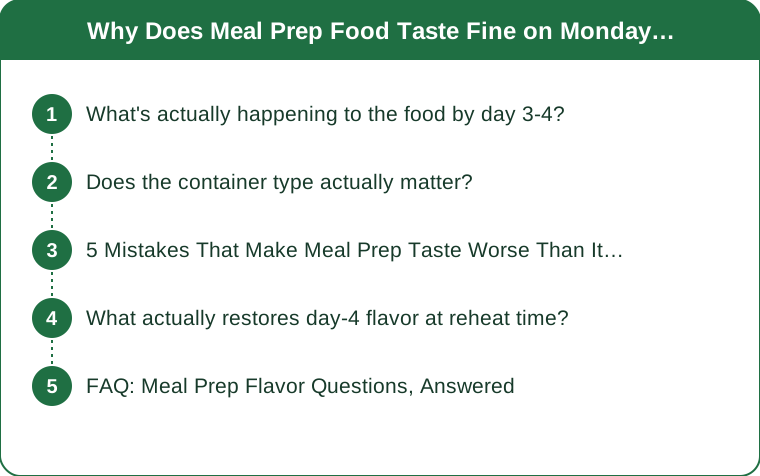
What’s actually happening to the food by day 3-4?
Two separate processes, both predictable. Moisture migration: sauce and juices continuously soak into rice, pasta, or roasted vegetables over days, turning crisp textures soft and diluting the sauce’s concentrated flavor into the starch.
Aroma compound breakdown: many of the volatile compounds that make fresh food smell and taste vivid (especially from garlic, herbs, and citrus) degrade with repeated reheating and refrigeration — the food isn’t spoiled, it’s just aromatically flatter.
Does the container type actually matter?
Somewhat, but less than storage strategy. What matters more: keeping wet and dry components separate until reheating. A container with a small divider or a separate small container for sauce prevents 4 days of moisture migration into your grain or protein.
Glass containers don’t retain odors like some plastics can, which helps flavors stay cleaner longer — but this is a secondary factor compared to the separation strategy.

5 Mistakes That Make Meal Prep Taste Worse Than It Needs To
1. Saucing everything before storage. Keep sauce in a small side container; add it fresh at reheat time.
2. Over-cooking proteins on prep day to ‘be safe’ for reheating — this guarantees dry, tough texture by day 3, since reheating cooks it further.
3. Reheating without any added moisture or fat — a splash of water, broth, or oil during reheating restores texture that plain microwaving alone can’t.
4. Using the same 2 herbs across every meal — palate fatigue from repetition reads as ‘this tastes worse’ even when the food itself is fine.
5. Skipping a fresh finishing touch — a squeeze of lime, fresh herbs, or flaky salt added at serving time does more for perceived freshness than any prep-day seasoning.
What actually restores day-4 flavor at reheat time?
The fix is almost always adding something fresh at the moment of eating, not changing the original recipe:
- A squeeze of citrus or splash of vinegar re-brightens flat flavors instantly
- Fresh herbs (even a pinch) reintroduce aroma that’s degraded in storage
- A drizzle of good olive oil or a pat of butter restores richness lost to the fridge
- Toasted nuts, seeds, or a crunchy topping added fresh brings back texture contrast that soggy day-4 food has lost
FAQ: Meal Prep Flavor Questions, Answered
How many days is meal prep actually good for, flavor-wise?
Most recipes hold up well for 3 days; day 4-5 is where texture and aroma noticeably decline, even though the food is often still safe to eat through day 4-5 if refrigerated properly.
Does freezing preserve flavor better than refrigerating?
For longer storage, yes — freezing halts the moisture migration and aroma breakdown that happens continuously in the fridge, so a frozen day-10 meal often tastes closer to fresh than a refrigerated day-5 one.
Is it worth prepping sauces separately even if it’s more containers?
Yes — it’s the single highest-impact change for taste, worth the extra dish for most people who meal prep regularly.
TL;DR:
- Day-4 flatness comes from moisture migration and aroma breakdown, not spoilage
- Store sauces separately — the single biggest fix for texture and flavor
- Don’t over-cook proteins on prep day; reheating finishes the job
- Add something fresh at serving time (citrus, herbs, oil) to instantly revive flavor
Try separating just your sauce this week — it’s a small habit change with a surprisingly large payoff by Thursday.
Keep Reading
This article is for general informational purposes only and is not medical advice. Always consult a qualified health professional for guidance specific to you.