Cooking Once, Eating Three Times (The Component Method)
The reason most batch cooking gets abandoned is boredom — five identical containers of the same meal is a genuinely unappealing prospect by Wednesday. Cooking components rather than meals solves it entirely. Here is why whole-meal prep fails, how the component method works, and how to assemble.
Why Batch Cooking Whole Meals Fails
Five identical containers: the the-boredom-by-midweek (the same meal repeated becoming unappealing by midweek from the batch-cooking logic — the boredom-by-midweek), the the-no-flexibility (the a fixed meal not adapting to what you actually fancy from the meal-planning logic — the no-flexibility), the the-one-thing-goes-off-and-all-of-it-does (the a whole meal spoiling together from the cut-food-waste logic — the spoils-together), the the-appetite-changes-across-the-week (the appetite and plans changing across the week from the meal-planning logic — the appetite-changes), the the-abandoned-prep-becomes-waste (the abandoned prepped meals becoming food waste and wasted money from the cut-food-waste logic — the becomes-waste), and the reframe (the batch cooking failure as a boredom problem — five identical containers offering no flexibility as the week and your appetite change).
The Component Approach
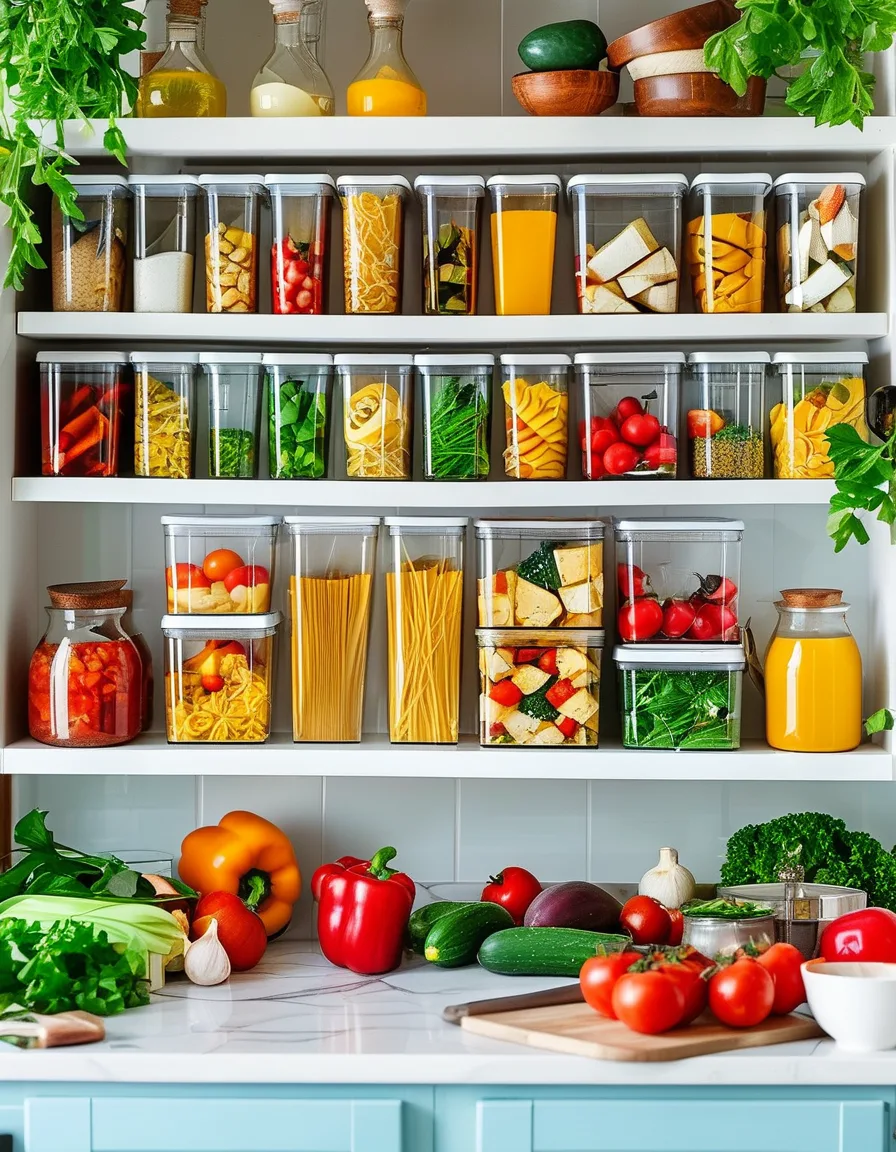
Prepping parts, not meals: the the-cook-a-grain-in-bulk (the a large batch of rice, grains or pasta from the pantry-meals logic — the bulk-grain), the the-roast-a-tray-of-vegetables (the a tray of roasted vegetables covering several meals from the frozen-vegetables logic — the roasted-vegetables), the the-cook-a-protein-plainly (the protein cooked plainly rather than pre-sauced from the cheap-protein logic — the plain-protein), the the-a-couple-of-sauces-or-dressings (the two contrasting sauces changing everything from the budget-grocery logic — the sauces-change-everything), the the-something-fresh-and-crunchy (the a fresh element added at assembly from the frozen-vegetables logic — the fresh-element), the the-keep-components-separate (the storing components separately, not combined from the cut-food-waste logic — the store-separately), the the-season-at-assembly-not-in-the-batch (the seasoning at assembly for variety from the budget-grocery logic — the season-at-assembly), and the the-three-components-make-many-meals (the a handful of components producing many combinations from the pantry-meals logic — the many-combinations).
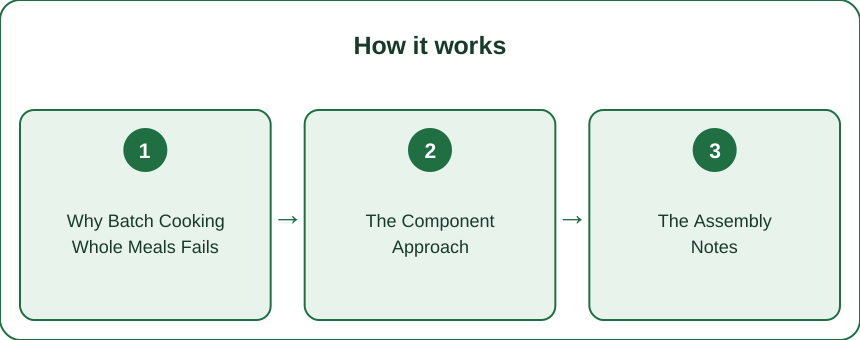
The Assembly Notes
Putting meals together: the the-change-the-sauce-change-the-meal (the a different sauce making it a different dish from the budget-grocery logic — the sauce-changes-the-meal), the the-swap-the-cuisine-with-seasoning (the seasoning shifting the meal between cuisines from the budget-grocery logic — the seasoning-shifts-cuisine), the the-add-a-fresh-element-each-time (the a fresh element preventing the prepped taste from the frozen-vegetables logic — the fresh-each-time), the the-use-the-most-perishable-first (the eating the perishable components earliest from the cut-food-waste logic — the perishable-first), the the-freeze-what-will-not-get-eaten (the freezing surplus components before they turn from the cut-food-waste logic — the freeze-surplus), the the-keep-pantry-backups (the pantry staples covering the gaps from the pantry-meals logic — the pantry-backups), the the-it-costs-less-and-wastes-less (the the method cutting both cost and waste from the healthy-on-a-budget logic — the cheaper-and-less-waste), and the frame (the component method as cooking parts rather than meals — a grain, roasted vegetables, plain protein and two sauces — assembled differently each day — cooking once, eating three times. Cook a grain, a tray of vegetables and a plain protein, store them separately, and change the sauce and seasoning at assembly).
The reason most batch cooking gets abandoned is boredom — five identical containers of the same meal is a genuinely unappealing prospect by Wednesday; cooking components rather than meals solves it entirely. Whole-meal prep fails because of boredom by midweek, no flexibility, everything spoiling together, appetite changing across the week, and abandoned prep becoming waste. The component approach: cook a grain in bulk, roast a tray of vegetables, cook a protein plainly, make a couple of sauces, add something fresh, keep components separate, season at assembly, and let three components make many meals. Assemble by changing the sauce, shifting the cuisine with seasoning, adding a fresh element each time, using the most perishable first, freezing what will not get eaten, keeping pantry backups — and it costs less and wastes less. Cooking once, eating three times.
Keep Reading
This article is for general informational purposes only and is not medical advice. Always consult a qualified health professional for guidance specific to you.