Stop Throwing Away Money: The Food-Waste Fixes That Cut Your Grocery Bill
The average household throws away a shocking share of the food it buys — which is money, straight into the bin. Cutting food waste is the rare frugality win that’s also good for the planet and asks for zero deprivation. The guide: where the waste happens, the fixes and the use-it-up cooking that saves real money.
The Waste Audit
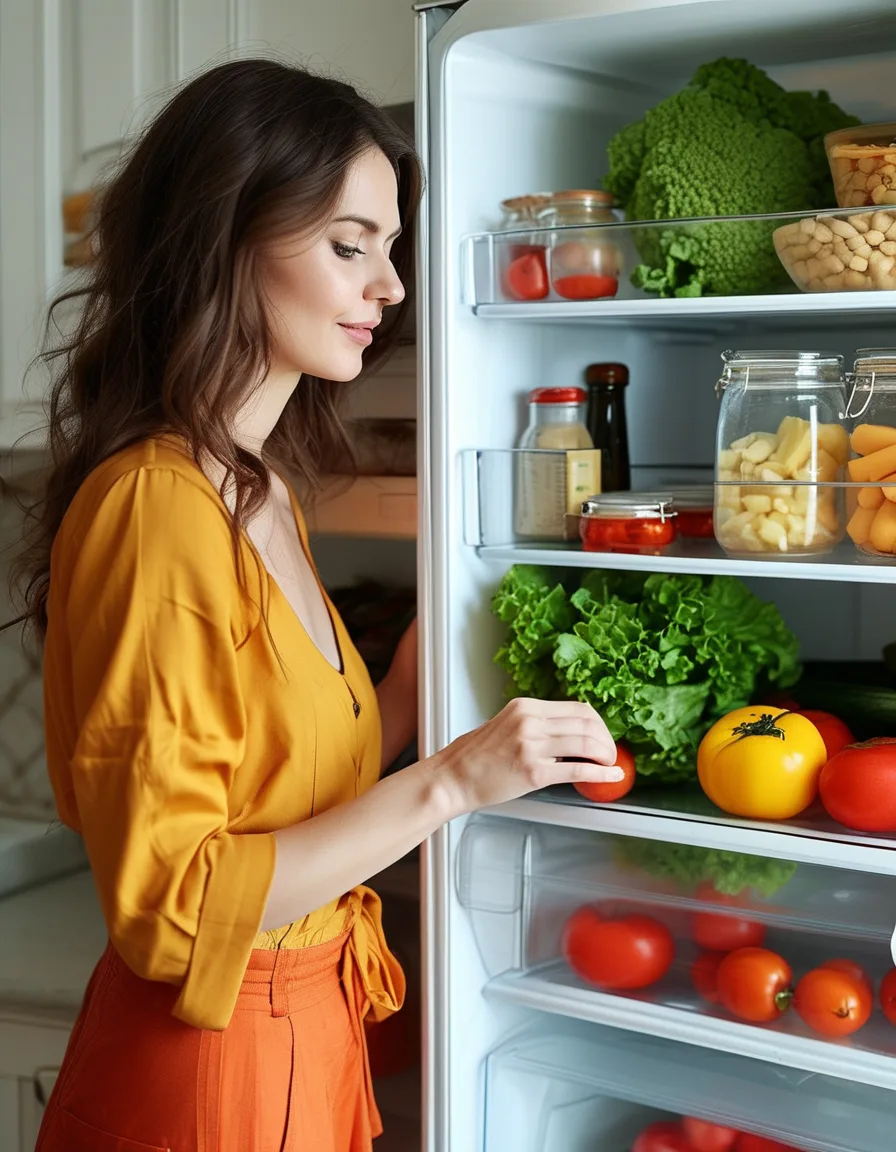
Where the money leaks: the forgotten-produce grave (the crisper drawer of good intentions gone slimy — the biggest household-waste category; the out-of-sight-out-of-mind mechanism), the over-buying pattern (the bulk-and-deal purchases that outpace actual eating — the false economy of the too-big bag), the leftover-neglect (the containers that die at the back of the fridge — the cook-once-eat-never problem), the misread-dates (the best-before confusion tossing still-good food — the date-label literacy gap costing money), and the honest self-assessment (the week’s actual bin-and-compost contents as the data — the eye-opening audit that motivates the fixes; the money made visible).
The Storage-and-Planning Fixes
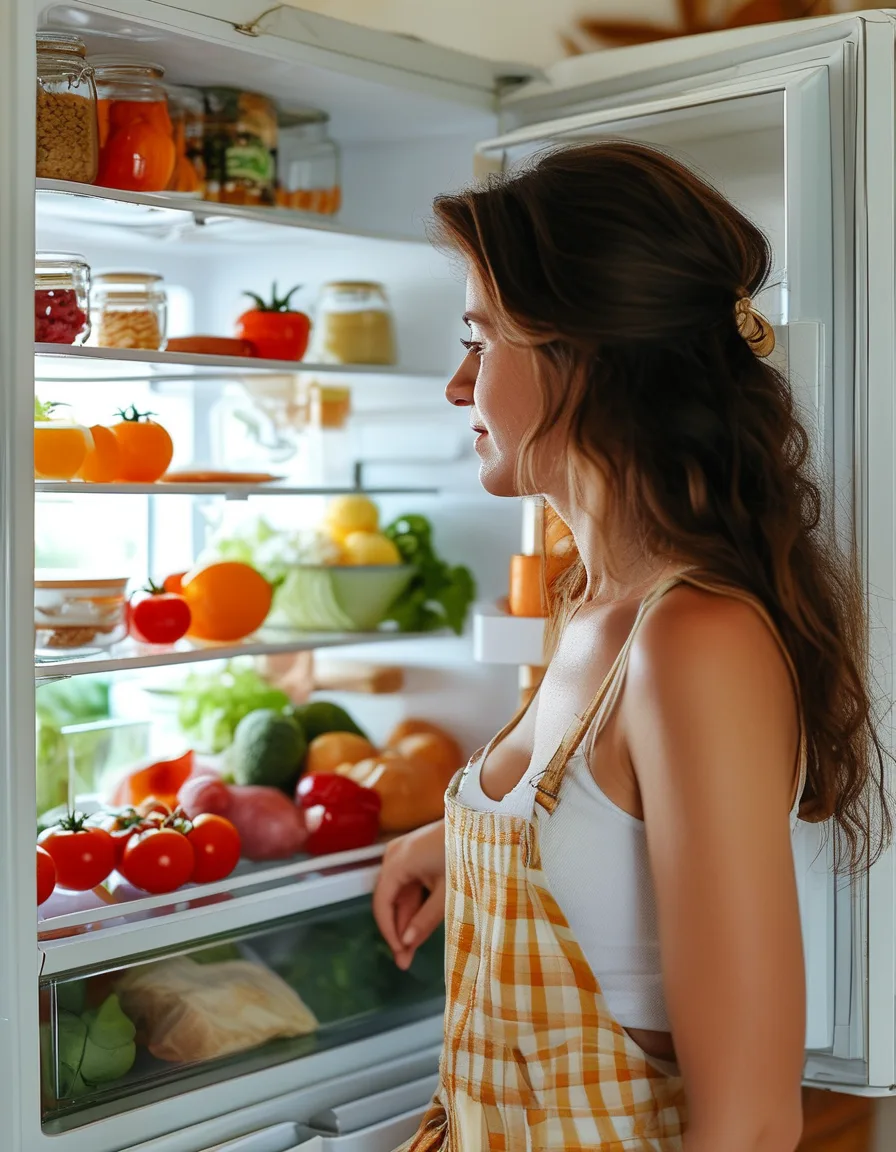
Preventing the waste: the shop-your-fridge-first rule (the meal plan built around what’s already there — the use-what-you-have before buying; the pantry-meals chapter’s ethos), the realistic-buying habit (the buy-for-the-plan, not the fantasy — the smaller-more-frequent shops for perishables; the deal-that’s-only-a-deal-if-eaten wisdom), the storage-know-how (the produce stored to last — the herbs in water, the greens with a towel, the freeze-before-it-turns; the fridge organization that surfaces the about-to-expire), the first-in-first-out system (the older stuff front-and-center — the eat-me-first shelf; the rotation habit), and the freezer-as-pause-button (the bread, the herbs, the about-to-turn produce, the leftover portions all frozen — the freezer that stops the waste clock; the frozen-vegetables chapter’s ally).
The Use-It-Up Cooking
Turning scraps into meals: the clean-out-the-fridge formats (the everything-soup, the fried rice, the frittata, the stir-fry, the smoothie — the flexible dishes that absorb odds-and-ends; the format-not-recipe cooking), the scrap-cooking tier (the vegetable scraps to stock, the stale bread to croutons, the overripe fruit to smoothies-and-baking — the second-life for the almost-gone), the leftover-remix habit (the planned-overs reinvented — the roast to tacos, the rice to bowls; the eat-it-twice-differently trick), the portion-and-freeze routine (the batch-cooked meals frozen in portions — the batch-cooking chapter’s waste-proofing), and the frame (food-waste reduction as found money and lighter conscience — the audit, the storage fixes and the use-it-up cooking that trim the grocery bill without trimming the eating; the money rescued from the bin). Shop your fridge, store it right, cook the scraps: the bill, cut.
Households bin a shocking share of what they buy — shop your fridge first, buy realistically, store produce to last, and keep clean-out-the-fridge formats (soup, fried rice, frittata) on rotation. It’s found money, no deprivation required.
Keep Reading
This article is for general informational purposes only and is not medical advice. Always consult a qualified health professional for guidance specific to you.